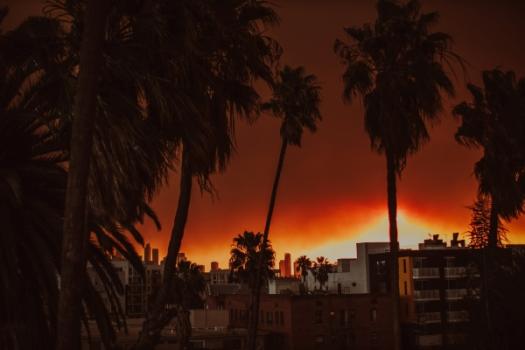
One year since the 2025 Los Angeles wildfires, families, communities and municipalities are struggling to cut through red tape in order to rebuild.
As wildfires, and subsequent mudslides become more frequent and destructive across Los Angeles, rebuilding efforts must go beyond policy reform to address a critical, often overlooked challenge: the condition of the land itself. Mayor Karen Bass’ recent executive actions–streamlining approvals, reducing fees and allowing rebuilt homes to be up to 10% larger–mark meaningful progress in cutting red tape. But while these changes may make rebuilding easier on paper, difficulties remain hidden beneath the rubble.
Before the Blueprint, the Groundwork
In hillside neighborhoods like Pacific Palisades, where entire communities have been reduced to ash, rebuilding does not only begin with drawings or permits–it may begin with stabilizing the land. Many of the coastal and hillside neighborhoods are naturally unstable, and since many homes were built prior to 1956–pre-codification of artificial fill for building pads–slope reinforcement, soil replacement, deep foundation systems, engineered grading or some other forms of mitigation are required. These measures are not only time-intense and highly technical, but they are also expensive and often not covered by insurance.
Reprinted courtesy of Zoltan Pali, Construction Executive, a publication of Associated Builders and Contractors. All rights reserved.