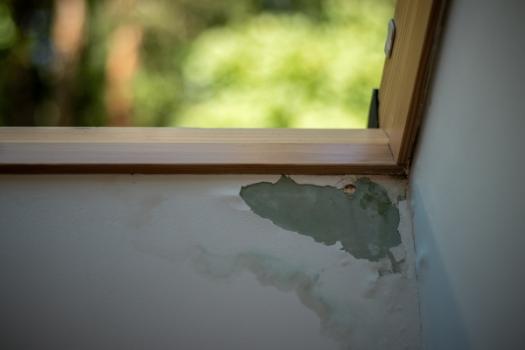
Water, especially when you can't see it, can cause serious and costly damage to buildings.
Water leaking into a building is a leading cause of damage and loss in the construction industry. On one jobsite, heavy rains flooded a sub-basement, damaging a new electrical transformer—all because a roof drain was not property connected. On another jobsite, a drinking-fountain supply line broke in a multistory building that was undergoing renovation, causing water to run—undetected—for an entire weekend, resulting in water damage to all lower floors, where construction had been finished.
Those loss scenarios could have been prevented with a comprehensive and effective water damage prevention plan (WDPP). This includes routine site inspections to identify uncontrolled water damage exposures and basic maintenance to make sure drains are clean of debris and divert them to a catch basin or low point away from the building. An effective WDPP plan also incorporates technology such as backflow preventers on sewer connections and water sensing technology to monitor the most vulnerable exposures.
Reprinted courtesy of Andrew Swift, Construction Executive, a publication of Associated Builders and Contractors. All rights reserved.